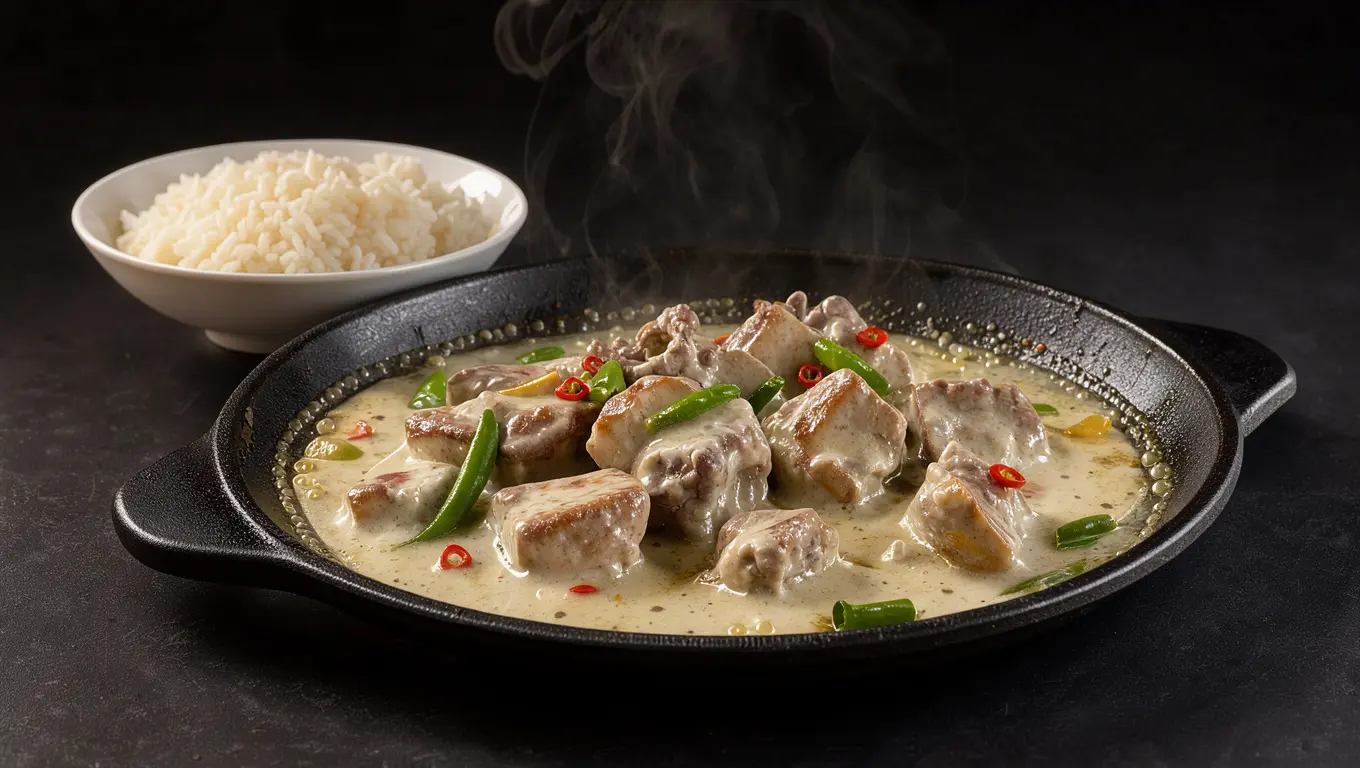
Bicol Express
Pork belly, fat and skin on, stewed down in coconut milk with bagoong and a double load of chillies until the sauce turns thick and the oil beads out at the edges. It is named after the train to Bicol, and it runs on the same principle: salty, creamy, and hot enough to keep you awake for the whole ride.
- Time
- 1 h 5 min
- Heat
- 4/5
- Serves
- 4
- Calories
- 1520 kcal
- 26 g protein
- 142 g fat
- 37 g carbs
Sign in to see what you already have, what you can swap and what’s missing.
Flavour profile
The real deal
- Region
- Bicol region, Philippines — named after the Bicol Express train line.
- Technique
- Pork browned in its own fat, coconut milk simmered down first, coconut cream stirred in at the end to finish.
- We kept
- Shrimp paste rather than plain salt, long green chillies plus the small hot ones, and a creamy sauce instead of a soupy stew.
Ingredients
stew
- 800 g · Skin on, cut into chunks.
- 2 tbsp
- 3 tbsp · Bagoong alamang.
- 400 ml
- 200 ml
- 6 · Siling haba.
- 6
Aromatics
- 6 cloves
- 3 cm
- 1
seasoning
- 2 tsp · Patis.
- 1 pinch
Method
Cut 800 g into chunks about 3 cm across, skin left on. Keep them even — even chunks brown at the same rate, and you want every piece hitting the pan at the same stage. Slice 6 cloves and 3 cm thin, then dice 1 small.
Chop 6 on the diagonal and 6 into rings. Wash your hands after — chilli oil on your fingers will find your eyes sooner or later.
Tip: Keep your hands away from your face while you work, and wash the board and knife before you touch anything else.
Set a wide heavy pan or kawali over medium heat with 2 tbsp and wait until it shimmers. Add the chunks of pork belly from the board in a single layer — don't crowd them, or they steam grey instead of browning — and fry for 8 min, stirring often, until the edges are golden brown and the sizzle is steady, not a hiss. That rendered fat is what carries the coconut sauce later.
Tip in the sliced garlic and ginger and the diced onion and fry over medium heat for 3 min, stirring often, until the onion is translucent and the garlic smells fragrant without taking on colour. Browned garlic turns the whole sauce bitter.
Stir in 3 tbsp and fry over medium heat for 2 min, stirring constantly, until it darkens and glistens and coats the pork, and the smell turns sharp and savoury with no raw fish left in it. This is what takes the raw edge off the shrimp paste — but it scorches in seconds, so keep it moving.
Pour in 400 ml , bring it to a gentle simmer over medium heat, then drop the heat to low heat and simmer with the lid off for 25 min, stirring occasionally and scraping the bottom, until the liquid has reduced by half, the pork yields to a fork and oil beads on the surface. Low heat only — a hard boil splits the milk, and it scorches on the base if you stop scraping.
Add the chopped green chillies and bird's eye chillies and simmer with the lid off over low heat for 5 min, stirring occasionally, until the chillies have softened but are still green and a sharp chilli smell rises off the pan. Long cooking dulls the flavour of the green ones, so don't walk away.
Stir in 200 ml and let it bubble gently over low heat for 8 min, stirring often and scraping the bottom, until the sauce is thick and coats the pork heavily, with oil pooling at the edges. That split coconut oil is the finish, not a fault — but the cream thickens fast, so keep the base moving.
Season with 2 tsp and 1 pinch , still over low heat, then taste: you want salty, hot, rich and balanced. Bagoong is already salty, so taste before you add more patis. Serve with plenty of steamed rice. The sauce thickens as it sits, so get it to the table while it still flows.
Make it a meal
What hits hardest next to it.
Soaks up the coconut sauce and cools the chilli heat.
Try: Steamed jasmine rice
From our kitchen
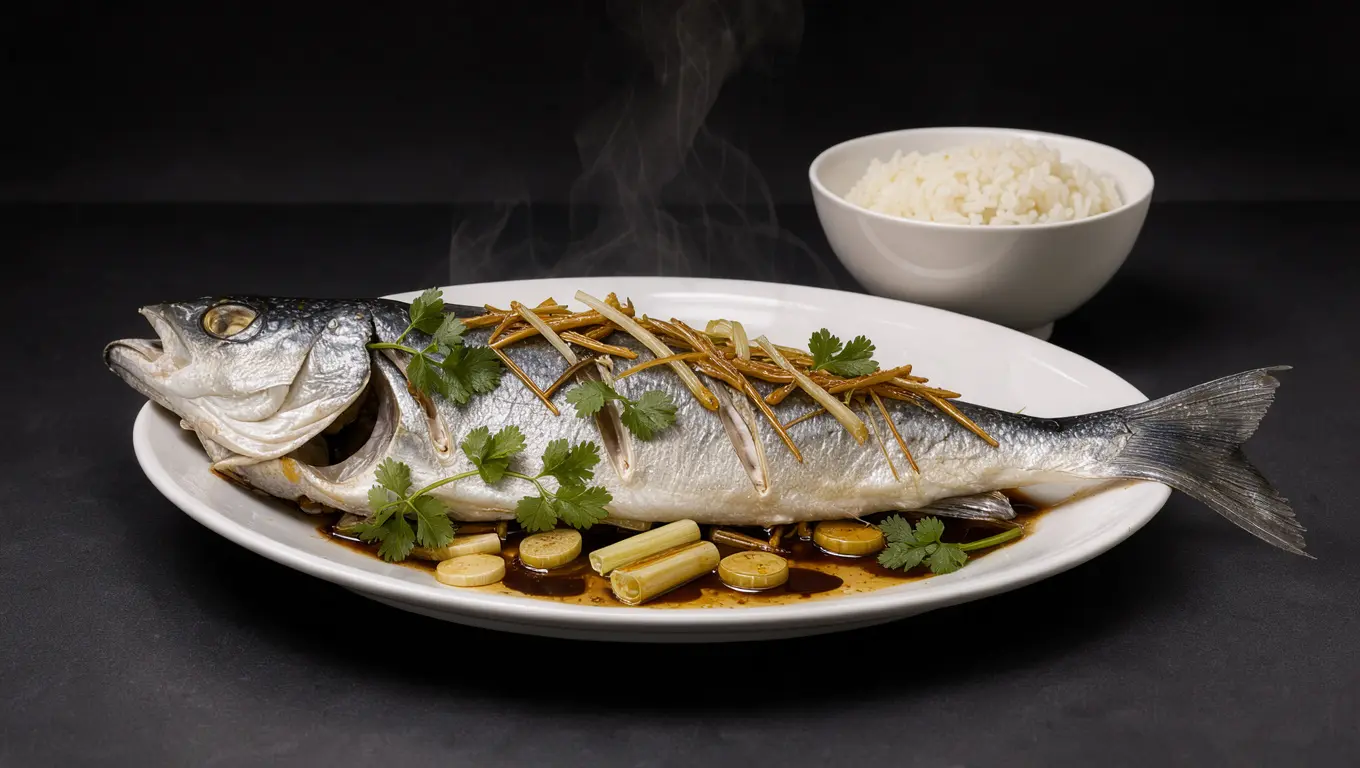 Cantonese Steamed Fish with Ginger and Spring OnionCANTONESE · CHINA — 27 MIN
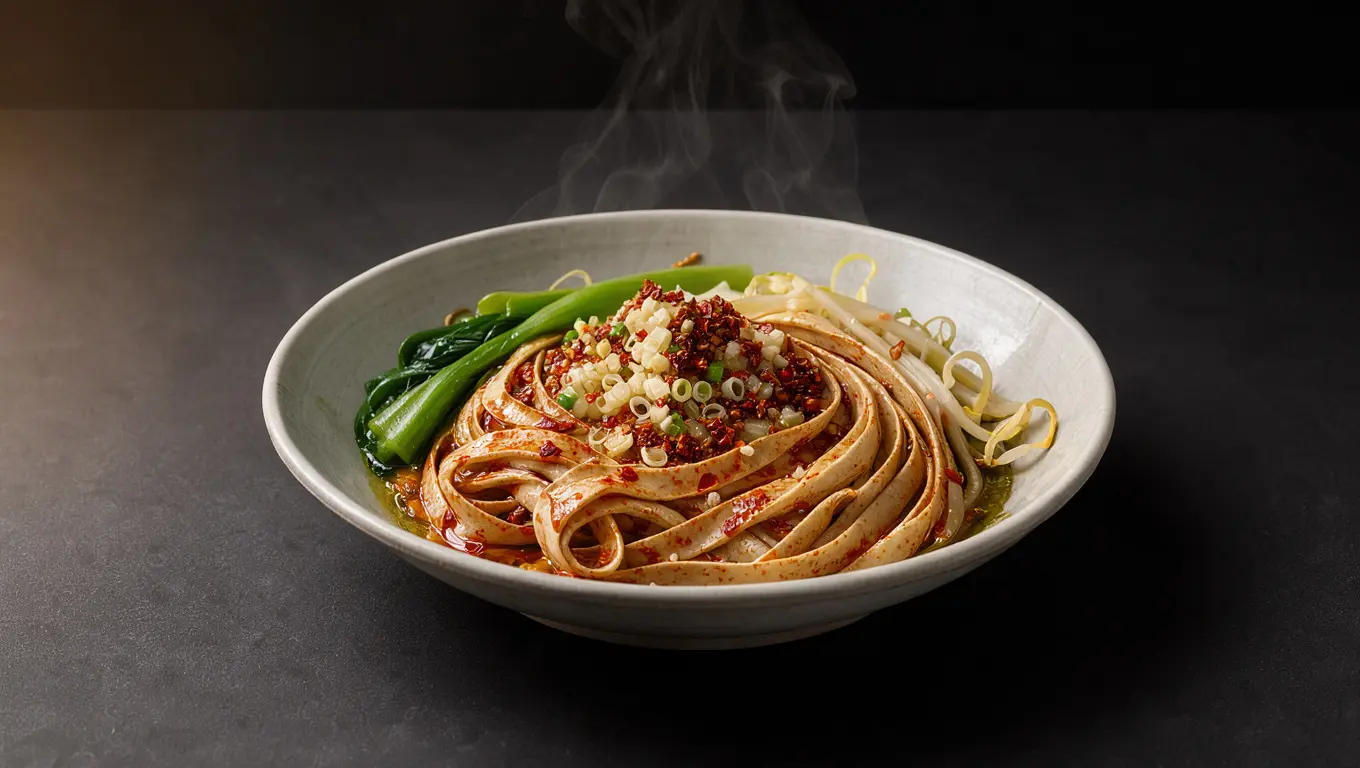 Xi'an Biang Biang Noodles with Chilli OilSHAANXI · CHINA — 2 H 55 MIN
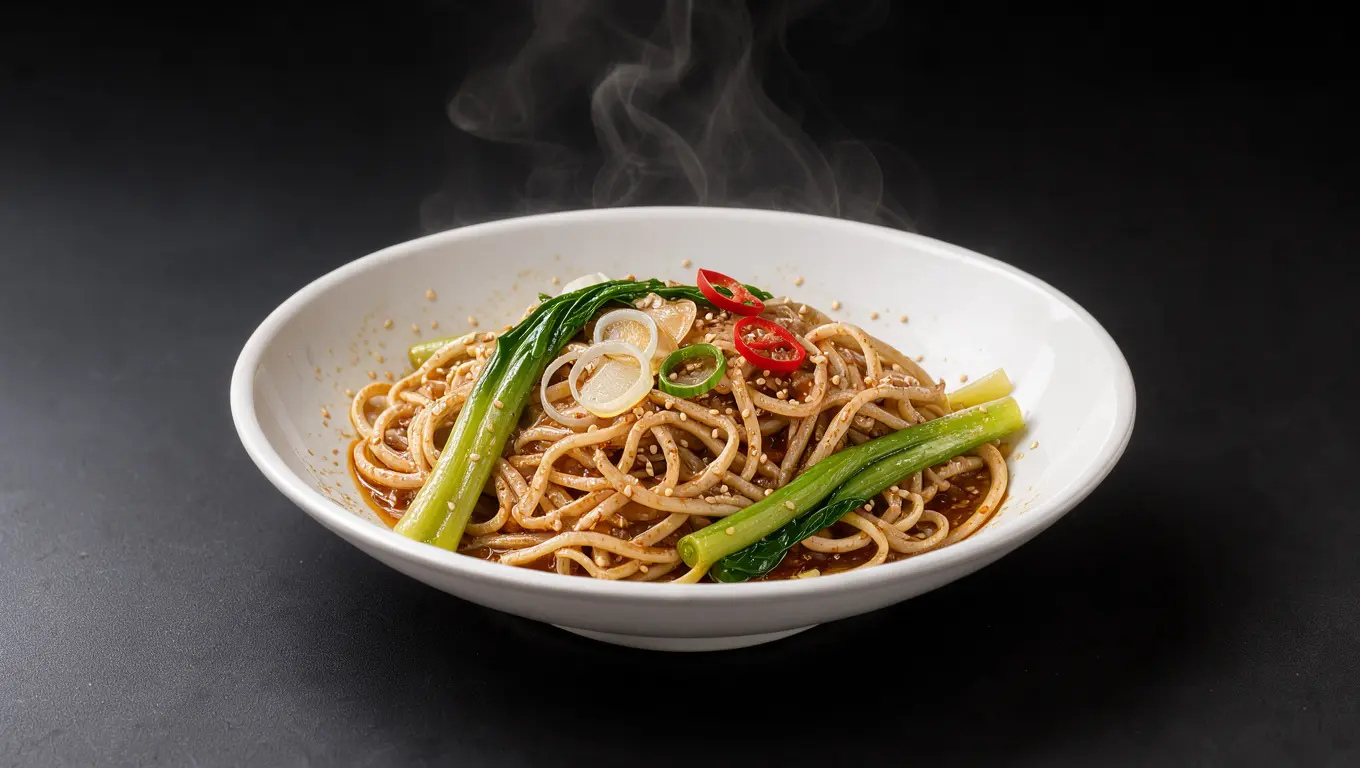 Chilli Fermented Bean Curd NoodlesCANTONESE · CHINA — 30 MIN
Cuts the pork fat and gives a sharp edge against the funk.
Try: Atchara, green papaya pickle
From our kitchen
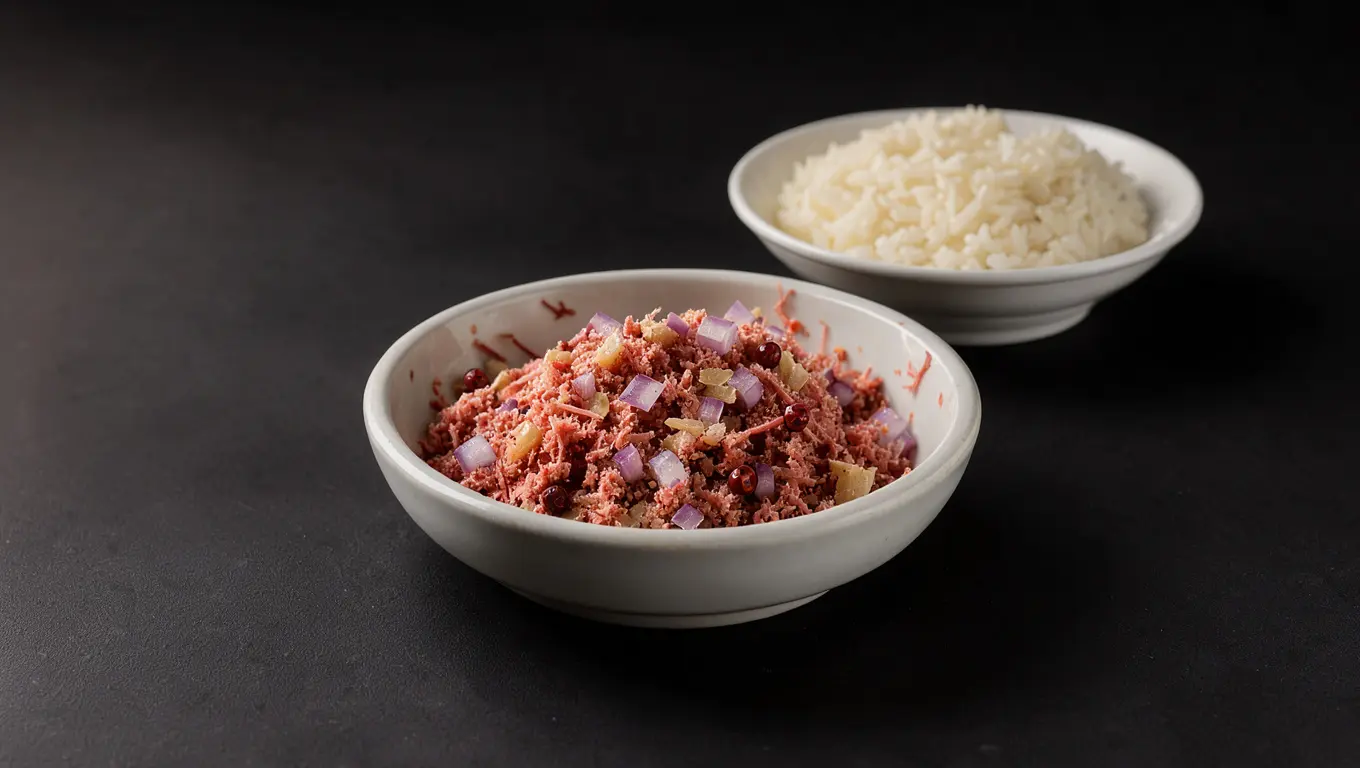 Pol Sambol (Sri Lankan Coconut Sambol)SRI LANKAN · SRI LANKA — 30 MIN
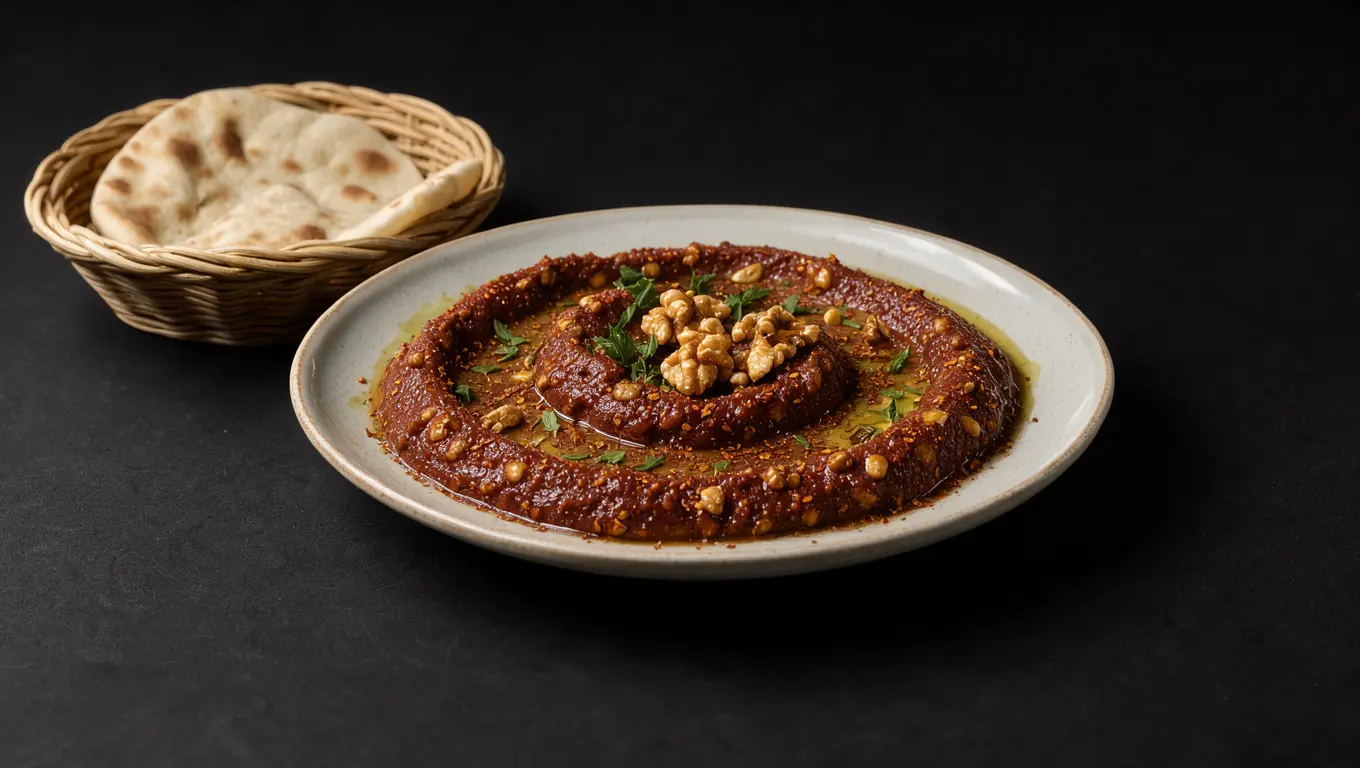 MuhammaraLEBANESE · SYRIAN · LEBANON · MIDDLE EAST · SYRIA — 1 H 10 MIN
Rinses the coconut richness and resets the mouth.
Try: Iced calamansi juice, or an ice-cold lager
From our kitchen
 Raspberry-Lime SodaAMERICAN · UNITED STATES — 21 MIN
 Afghan Mint and Vinegar SharbatAFGHAN · AFGHANISTAN — 2 H 40 MIN
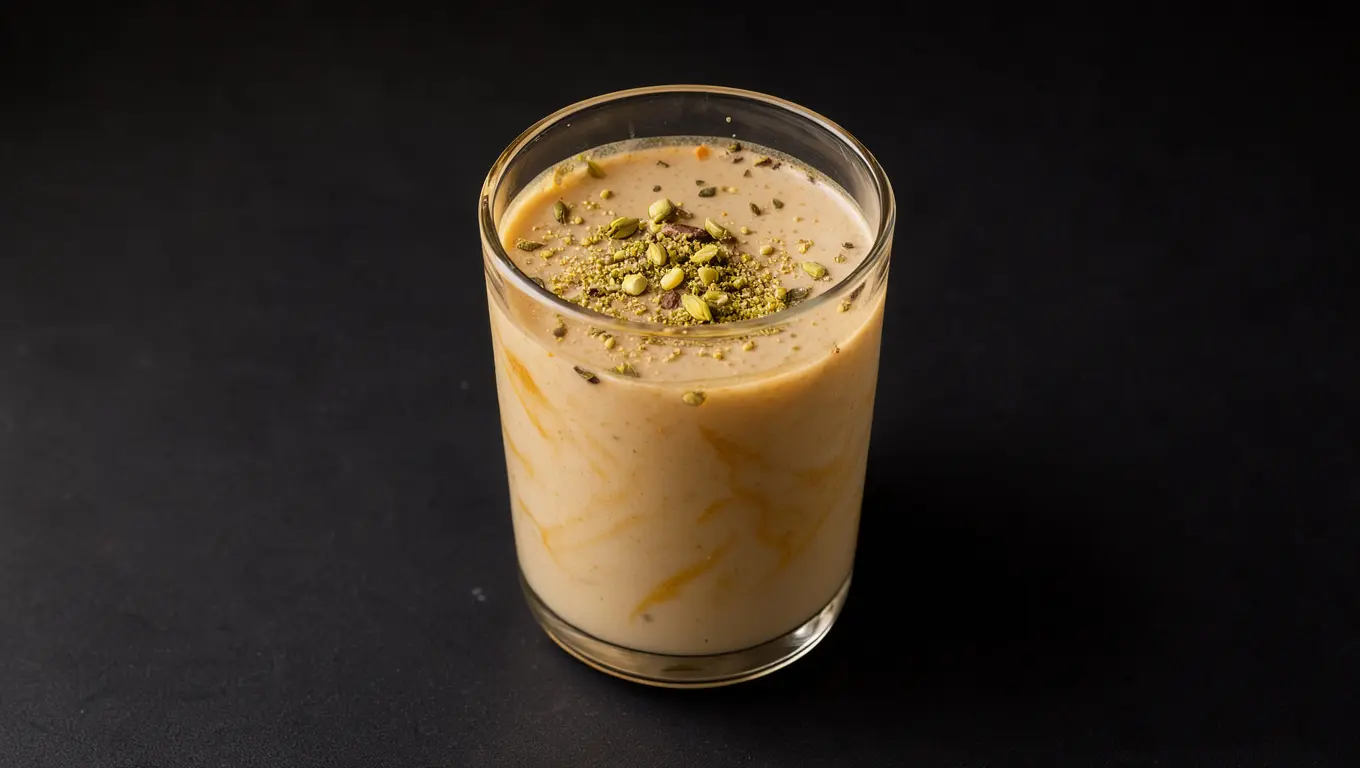 Mango Lassi with CardamomINDIAN · PUNJABI · INDIA · NORTH INDIA · PUNJABI — 45 MIN
Versions
No versions yet. Want it hotter, vegetarian, with what you have? Make the first one.